
The Ultimate Guide to Annapurna Base Camp Trek
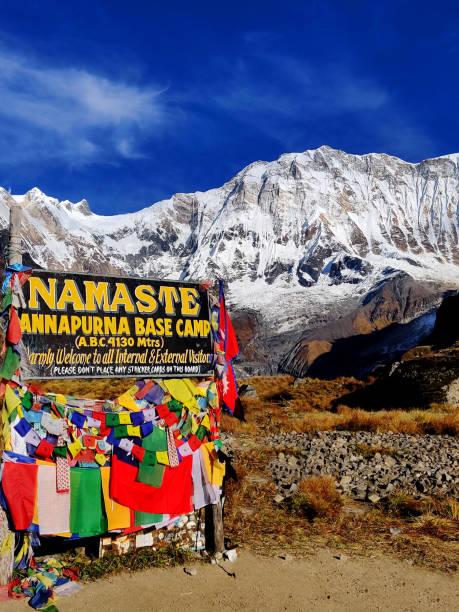
This ultimate guide to Annapurna Base Camp Trek is an essential reading for trekkers, before diving into a renowned and beloved Himalayan trekking trail in Nepal for very good reason. Throughout the trek, it offers a total mixture of nature, culture and accessibility. That makes this trek suitable for beginners and experienced adventures. To start this overwhelming journey, we have to reach the scenic lakeside city of Pokhara. From there, the trail leads into the Annapurna Conservation Area, passing through Farmlands,and dense forest. Along the way, charming Magar and Gurung villages are settled, which showcase the lifestyle of mountain people.
The true remarkable factor about this ABC Trek is its diversity. Shortly after the start of the trek, within a few days you can feel the landscape changes from green valleys and flowing rivers to alpine terrain. Moving ahead in the trail you will be surrounded by towering snow covered peaks. When you reach the Annapurna Base Camp at 4,130 meters, after your days of trekking, it will be a very memorable and astonishing moment. In the camp you will stand in front of Annapurna I (8,091m) the 10th highest, along with Annapurna south, Hiunchuli and iconic Machhapuchhre.
For the successful trek, this comprehensive guide includes all the guidance you need during the trek. That includes the best seasons, permits needed, accommodation and food options, safety and altitude awareness, itinerary details and packing tips. The ABC Trek offers an equal balance of challenge and enjoyment, with minimum technical climbings and trekking pace. With Planholidays Treks and Expeditions, your journey to ABC Trek, will be well Organized and safety will be taken care of. This journey will be a lifelong remembrance.
The Best Time to do Annapurna Base Camp Trek
The best seasons for trekking in Nepal are:
- Spring (March to May):
For trekking to Annapurna Base Camp March- June spring season is the best way to experience the beauty of Himalayas. In this season the weather is pleasant, with warm days needed for trekking but in the mountains the nights are still cold. At this time of year snow also starts to melt, the trail becomes clear, which makes the journey safer and comfortable.
Also,spring is the time when nature comes to life with the green trees and bright rhododendrons and magnolia flowers that grow along the trail. The fresh mountain views, the calm sound of the birds, and butterflies flying here and there make the trek very charming. The route might be crowded because of its popularity and due to the high trekking season. But the beauty of the sun rising from Annapurna Base Camp and the magnificence of nature make the time spent there really memorable.
- Autumn (September to November):
Autumn which lasts from September through November is a second perfect time after spring to explore the trails of Nepal. Generally at this time skies are clear with the spectacular views of the mountains, and temperatures suitable for trekking. Besides this, the harmony and uniqueness of the autumn festival like Dashain and Tihar falls in this season. So, the trekkers get to experience the most vibrant celebrations, the beauty of the countryside, local traditions and enjoy the delicious traditional food. The combination of favorable weather conditions, great mountain views, and cultural experiences makes trekking in autumn not only fun but also very memorable.
Obtain Required Permits and Documentation
No permits. No trek. It’s that simple.
For most treks, especially in the Annapurna region, you’ll need:
- ACAP (Annapurna Conservation Area Permit): This helps fund the protection of the trails.
- TIMS Card (Trekkers’ Information Management Systems): This keeps track of where you are for your own safety.
Don’t worry. Local trekking agencies handle this fast and legally.
Selecting the right trekking route and duration in terms of difficulty.
Some are simple and short while others are longer and more challenging. The choice of pace will determine success.
The things you should Consider by yourself:
- How many days do you travel in Nepal?
- Would you consider yourself a first-time trekker or an experienced mountain trekker?
- Are you after cultural villages, high altitude views, or a combination of both?
Among popular routes, the trek from Pokhara to Annapurna Base Camp (ABC) is an ideal mixture of nature, culture, and a little bit of a challenge. Time-wise it ranges from 8 to 11 days. Limited schedule? Ghorepani Poon Hill trek offers you breathtaking sunrises in just 4 to 5 days.
Build Physical Fitness and Endurance
You do not need to be an athlete.. You do need stamina. The reason is that you will be walking for five to eight hours every day.. Most of the time you will be walking uphill. Walking is what you will be doing for a part of the day and it will be mostly uphill so you need to have stamina for walking.
- Start training 4–6 weeks before your trek. Don’t wait until the week before.
- Walk daily. Wear your trekking boots to make it comfortable for later.
- Use the stairs. Find a tall building and start walking up. The stairs are exercise. Your glutes will thank you later when you do this. Using the stairs is good for you.
- You should do some cardio exercises. Things like jogging or cycling are really good because they help build up your lung capacity. This means that your lungs will be able to hold air, which is great, for the health of your lungs. Doing cardio like jogging or cycling is a good way to get started with building lung capacity.
- You need to make your legs stronger. Doing squats and lunges is really good for your legs. These are the exercises for your legs. Squats and lunges will help you build your legs strong.
- Remember: A slow pace wins in the mountains. It’s not a race to the top. It’s a journey of endurance.
- Different paths are variously ranked in terms of difficulty. Some are simple and short while others are longer and more challenging. The choice of pace will determine success.
Complete Packing Guide for Maximum Comfort and Safety
Packing efficiently is one of the main things which keeps your spirits high when you are hiking.
Overloaded with gears? It will be a torture. You will be able to feel each of the extra grams by the third day. Under-loaded with gear? It will be a risky thing to do. Hypothermia is no joke.
- Choose Appropriate Hiking Gear and Equipment
- Do not go further than necessary. Brands are less important than the quality but don’t be cheap when it comes to the major stuff.
- Well-fitted trekking boots: Under no circumstances, It shouldn’t be the first day when you put on your brand-new boots. Only if you are fond of blisters.
- Backpack with rain cover: The reason is that, most probably, you will be caught by rain at least once.
- Trekking poles: It is useful when you are walking downhill on a steep path.
- Headlamp: Useful for those times when you start very early in the morning or when you go to the bathroom in the middle of the night.
- Reusable water bottle: Usually, plastic bottles are not allowed in the areas under conservation.
Pack Appropriate Clothing for Variable Mountain Weather
The weather is unpredictable. One moment you can be wearing a t-shirt and the next a freezing wind is blowing. You have to pack layers.
- Moisture-wicking base layers: absolutely no cotton. Cotton absorbs moisture and therefore, it cools you down.
- Warm fleece or down jacket: Bring this with you if you plan to stay in the teahouse during the chilly evening.
- Waterproof jacket: This is not only waterproof but also windproof.
- Trekking pants: Light and quick-dry.
- Thermal underwear for the night: It can get quite chilly when you are sleeping at 3,000 meters of altitude.
Bring Essential Medical and Emergency Supplies
Don’t overlook this part. As you ascend, you are not even close to medical supplies.
- Personal medicines: Carry those that are for everyday use.
- First-aid kit: It should include bandages, an antiseptic, and tape.
- Diamox: To be used in case of altitude sickness (only after consultation with your doctor).
- Blister care items: Compeed or moleskin.
- Sunscreen and lip balm: The sun can be very harmful at high altitudes.
Discover the Essential Stops and Local Villages
During your journey, you’ll come across the following famous places:
- Ghandruk: A charming Gurung village consisting of stone houses and a museum.
- Chhomrong: A huge village with lots of stairs. A huge amount of stairs.
- Bamboo: As the name suggests, it is a place dominated by dense forests and moist air.
- Deurali: The place where the disappearance of trees begins.
- Machhapuchhre Base Camp (MBC): The entry to the sanctuary.
Just be ready for the friendly villagers to greet you warmly. The peaceful and quiet nights will be your companions. You will hear the sound of rivers rushing near you.
See Breathtaking Viewpoints and Take Stunning Pictures
Here, mountains greet the rising sun in a unique way. The snow-covered peaks turn to golden color. To you, the clouds seem like a white ocean below your feet.
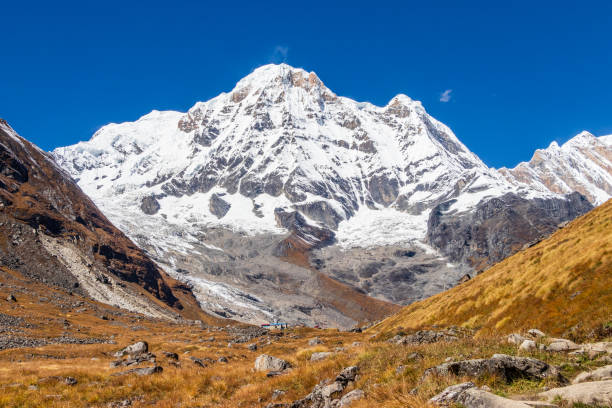
Get your camera batteries fully charged. The temperature drains them very quickly. You will need them when the moment arrives that the sun rises over Annapurna South.
Make Sure You Also Have Time to Rest and Let Your Body Get Used to the Height
Altitude can be a serious matter. It can occur to anyone. Even if you’re in good shape, altitude sickness can still get you.
Move slowly. Take a good rest. Pay attention to the signals of your body.
Acclimatization days are not “non-working” days. They are very important to adapt the body to higher altitude.This will allow you to enjoy the trek without constantly gasping for air.
Accommodation and Dining Options Along the Trail
No, there are no luxury hotels. However, you will be offered something far more valuable: genuine mountain hospitality.
Book Comfortable Teahouse Lodges
Teahouses are essential accommodation that facilitate the trekkers on the trail.
- Rooms in proper hygiene standards: Normally two single beds. Nothing fancy.
- Communal dining rooms: The coziest place in the entire building, most often warmed by a centrally located stove.
- Thick blankets: Yet, bringing your own sleeping bag still has its advantages.
- Meals: Naturally, they are wholesome, well-balanced. Prepare by using basic raw ingredients.
No, it is not a luxury. Yes, they are both comfortable and pretty.
Enjoy Traditional Nepali Mountain Cuisine
You can name it any way you want, but the fact remains that your trek will be fueled by food. Your body will undoubtedly require a lot of calories.
- Dal Bhat: It is the nation’s staple. Lentil soup, rice, and vegetable curry. Literally, it is “24-hour power.” And generally, free refills are being offered.
- Noodles and soups: Perfect for keeping one’s hydration levels up.
- Momos: These are the dumplings which are steamed and come with the feeling of being a luxury.
- Porridge: A great first meal before spending a whole day climbing.
- Tea and coffee: Among trekkers, ginger lemon honey tea is the best-loved drink.
Make sure that your eating habits are healthy. Drink plenty of water in your case. Your body demands a lot of energy and thus, your metabolism will be significantly accelerated.
Understand Pricing and Payment Methods
We can roughly estimate your expenses by comparing different factors:
- The length of your stay.
- The number of people in your party.
- Your choice of whether to have a porter and/or guide.
Carry Nepalese Rupees with you on the trail, there is a lack of ATMs. Once you are off from Pokhara, your credit card is merely a piece of plastic.
Health and Safety Considerations for High Altitude Trekking
Always give priority to your safety. Mountain scenery may be captivating, but the mountains do not care if you are safe or not.
Recognize and Prevent Altitude Sickness
Don’t dismiss Acute Mountain Sickness (AMS). Keep an eye on these signs:
- Persistent headache.
- Nausea or vomiting.
- Dizziness.
- Loss of appetite.
If abnormalities increase, get down from higher altitude, immediately. Avoid ascending up your health is more important than any summit.
Stay Hydrated and Maintain Energy Levels
Take in water regularly. Even if you’re not feeling thirsty. The dry air in the mountains makes you lose moisture when you breathe. You should drink at least 3 to 4 liters a day.
Consume carbohydrates. Keep your energy levels up by snacking frequently. Nuts, chocolates, or fruits. You need to supply your body with energy to keep warm and energized.
Handle Emergency Situations and Evacuation Procedures
Do not trek on your own ever. Go with a licensed guide and at least one partner.
Ensure your insurance is up to date. Verify that it covers “emergency helicopter evacuation” up to 6,000 meters. I’m sure you won’t need it. However, if you do, it will save your life.
Protect Yourself from UV Exposure and Weather Hazards
The sunlight at the high altitude contains high UV rays which are exceptionally strong.
Here is what you should use:
- Sunglasses: Polarized ones are the best.
- Sunscreen with high SPF. Apply it every few hours to protect your skin from burning.
- Hat: A wide-brimmed hat for the day and a warm hat for the night.
Weather changes abruptly. One minute it is clear, and the next moment you are in a blizzard. Always carry a raincoat for yourself.
Cultural Experiences and Local Interactions
The trekking experience is not only about the scenery but also the people who live in these mountains.
Connect with Friendly Gurung and Magar Communities
The locals of this place are very friendly and hospitable. Most of the trekkers agree that the people were the best part of their journey.
Talking, laughing, sharing stories by the fire – such things make a deep impression on us even more than the photos of the mountains.
Visit Ancient Monasteries and Sacred Sites
In the trail prayer flags are placed along the path. So, the wind may spread prayers to the sky, which reflect the intention to provide benefit for all beings. The mani walls (stones decorated with mantras) are part of the landscape.
One should always go around stupas and mani walls clockwise. It is a way of showing respect. Be reverent when you are in a monastery.
Learn Local Customs and Trekking Etiquette
- Greet everyone you meet indeed with “Namaste”.
- Ask for permission before taking photos of people.
- Respect the local culture and customs. Dress modestly in public areas.
- Leave no trace of waste and plastic material. If you bring something, make sure to take it back with you.
Annapurna Base Camp Trek – FAQs
- At which place Annapurna Base Camp is located?
Annapurna Base Camp lies in the Annapurna Conservation Area of central Nepal in Kaski district at an altitude of 4,130 meters (13,550 ft). - What is the duration to complete the Annapurna Base Camp trek?
The trek usually takes 7–12 days, depending on the route, pace, and starting point. - Which is the best season to do the ABC Trek?
The best seasons are spring (March–May) and autumn (September–November) for clear mountain views and stable weather. - Is it difficult to do the Annapurna Base Camp trek?
No,It is a moderate trek, suitable for trekkers with reasonable fitness. No technical climbing skills are required. - Do I need prior trekking experience for ABC?
Prior experience is helpful but not mandatory. Beginners can complete the trek with proper preparation. - What permits are required for the ABC trek?
You need an ACAP (Annapurna Conservation Area Permit) and a TIMS card. - What is the highest point of the trek?
The highest point is Annapurna Base Camp at 4,130 meters. - Is altitude sickness a concern on this trek?
Yes, altitude sickness is possible. Proper acclimatization, hydration, and a gradual ascent help minimize the risk. - What type of accommodation is available during the trek?
Accommodation is in teahouses (local lodges) offering basic rooms and meals. - What kind of food is available on the trail?
You’ll find Nepali, Tibetan, and basic Western meals, including dal bhat, noodles, soups, and pancakes. - Is drinking water available on the trek?
Yes, but it’s recommended to use water purification tablets or filters instead of buying bottled water. - Do I need to hire a guide or porter?
Hiring a licensed guide is mandatory in Nepal, and a porter is optional but recommended for comfort. - How cold does it get at Annapurna Base Camp?
Temperatures can drop to -5°C to -10°C at night, especially in winter and early spring. - What should I pack for the ABC trek?
Essentials include warm layers, trekking boots, rain jacket, sleeping bag, trekking poles, and a first-aid kit. - Is the ABC trek safe?
Yes, it’s considered one of the safest treks in Nepal, especially when done with a guide. - Can I do the ABC trek in winter or monsoon?
Yes, but winter is colder and monsoon (June–August) is rainy with limited views and leeches. - Are there hot showers and charging facilities?
Hot showers and charging are available in most teahouses, usually for an extra cost. - How much does the Annapurna Base Camp trek cost?
Costs vary, but typically range from USD 700–1,200, depending on services and trek duration. - What mountains can be seen from Annapurna Base Camp?
You’ll see Annapurna I, Machapuchare (Fishtail), Hiunchuli, Annapurna South, and more. - Why should I choose the Annapurna Base Camp trek?
The ABC trek offers a perfect mix of Himalayan scenery, culture, hot springs, and accessibility, making it ideal for most trekkers.
Related Blogs
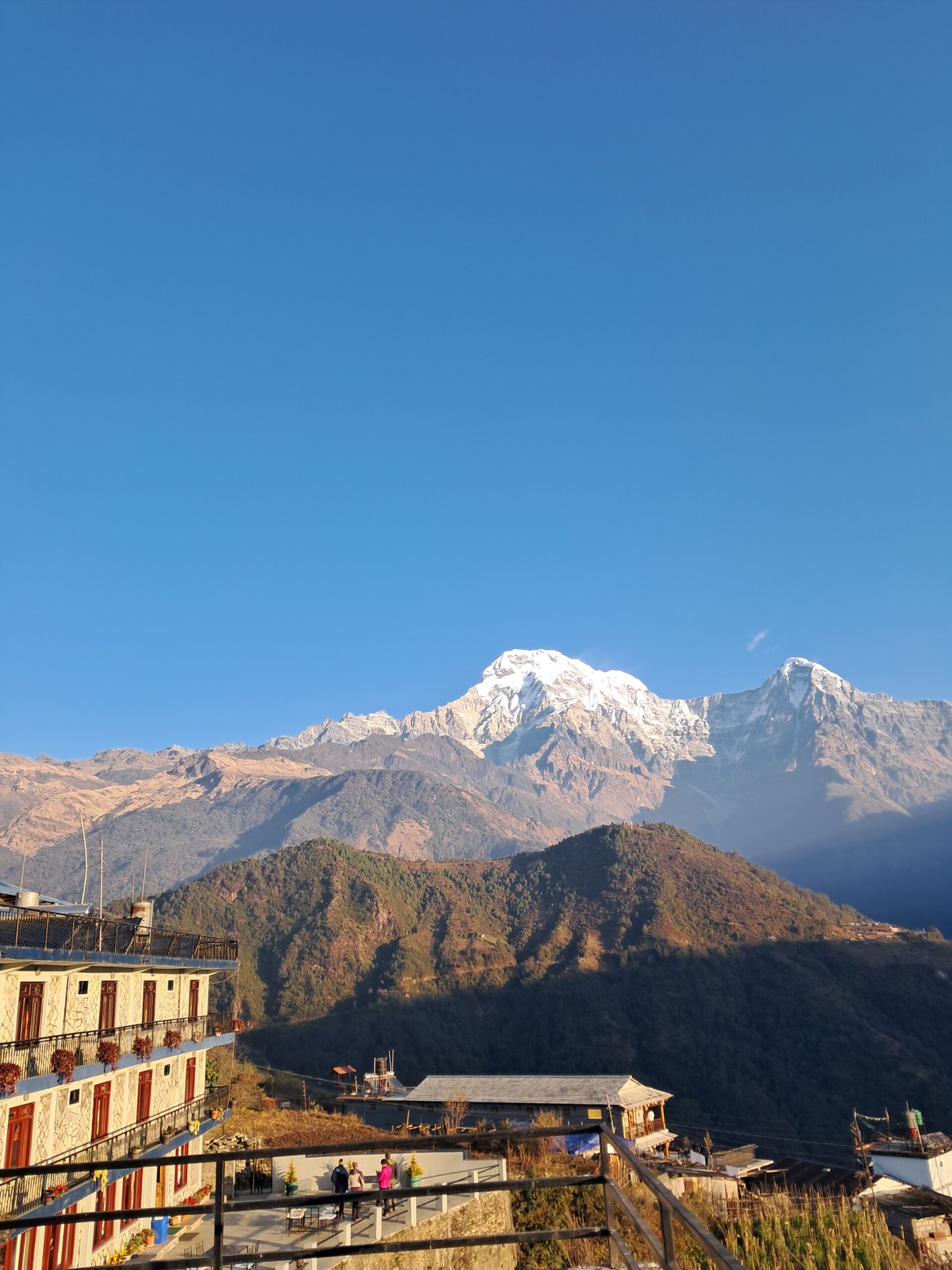
Poon Hill & Ghandruk: Nepal’s Ultimate Short Trek for Nature Lovers and Culture Enthusiasts
In recent years Poon hill and Ghandruk Trek has become the best short trek destination in Nepal. The reason...
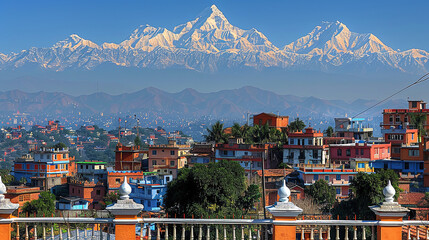
Why Nepal Is the Next Top Destination for Digital Nomads
Sometimes a place is a surprise to you long before you even realize that you are falling in love...
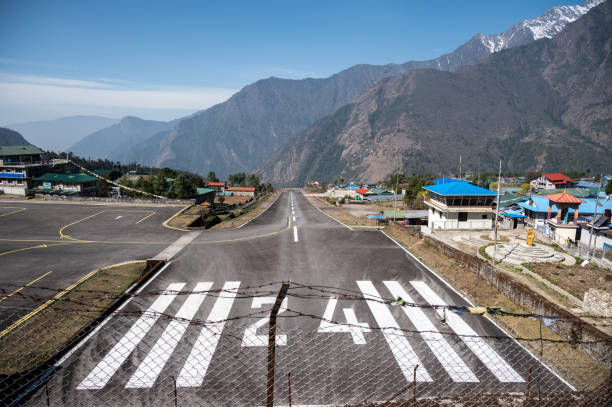
An ultimate guide for the 2026 Lukla Flight
Get ready for your 2026 Lukla flight, we are about to explore the crazy flight condition between Kathmandu and...
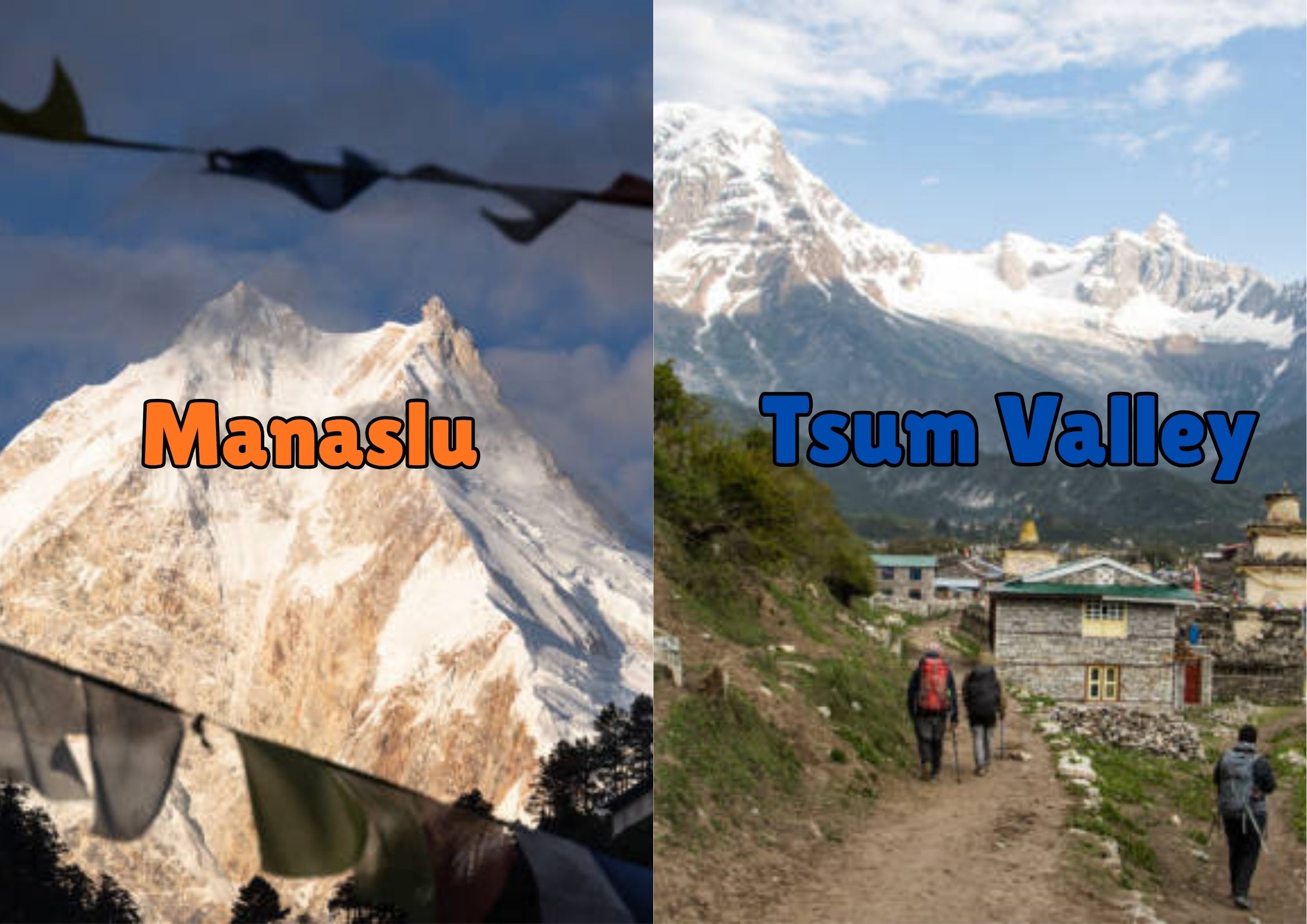
Explore Manaslu Circuit withTsum Valley trek
Trek overview The Tsum Valley with Manaslu Circuit Trek is an awe-inspiring journey through Nepal’s Manaslu region and the...
Tihar: Nepal’s Festival of Lights, Tradition, and Togetherness
Once the long rainy season is gone , fresh autumn air comes to Nepal, the entire country starts vibrant...
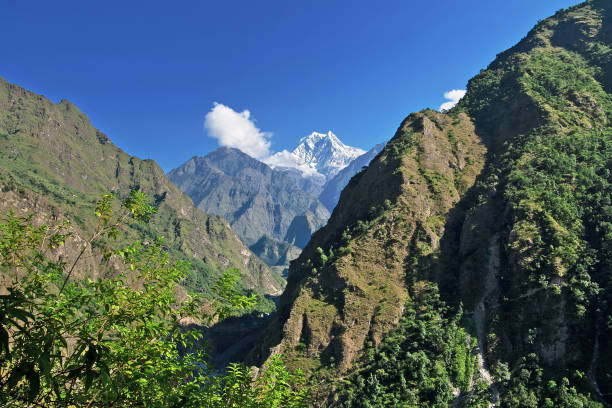
Short Manaslu Circuit Trek
Overview The Short Manaslu Circuit Trek lies between the boundary of Gorkha and Manang District. This trek’s main attraction...
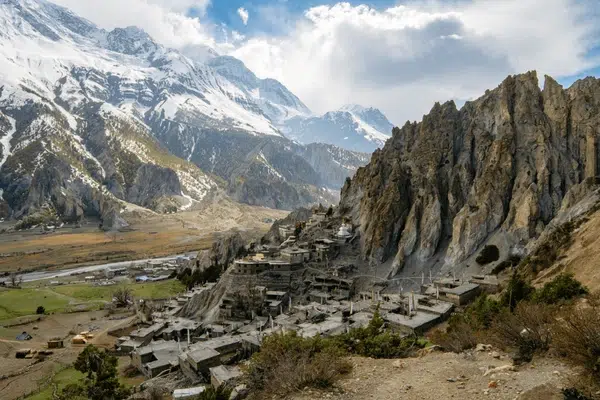
Annapurna Circuit: A Journey of a Lifetime to world greatest trail
Annapurna Circuit, a journey to the world’s greatest rail, is just more than a trek. It’s an adventure and...
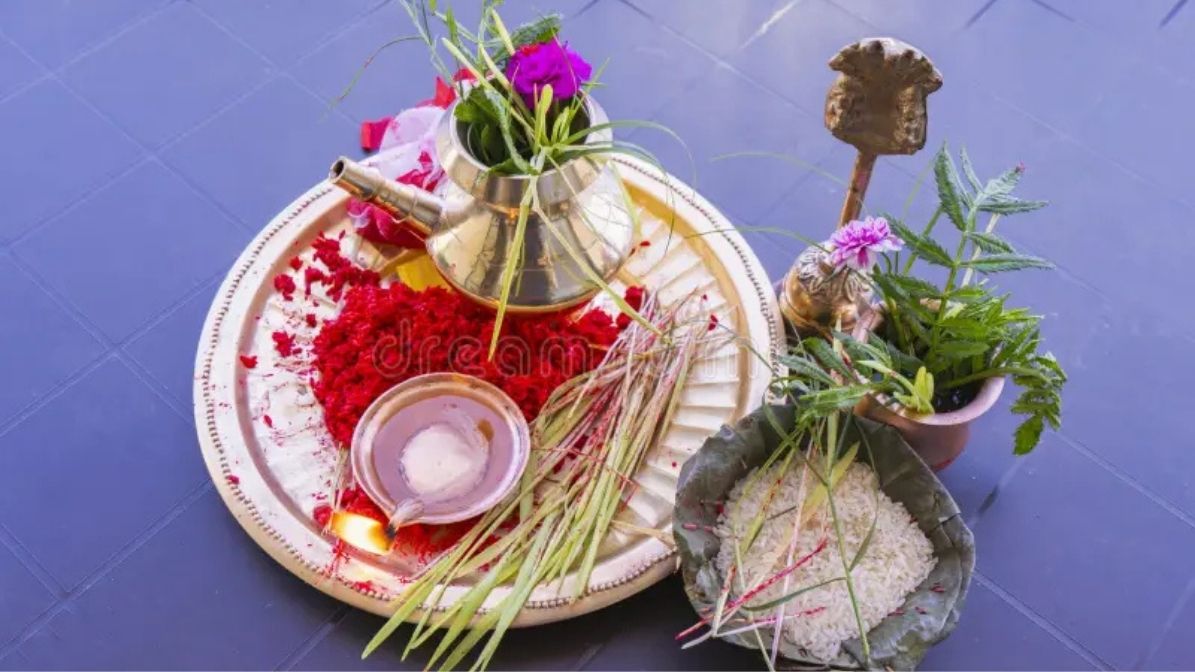
Dashain: A festival of reunion, gathering and blessing
Dashain is the main festival for all Nepalese people, who live in Nepal or abroad. Also called Bijaya Dashami...
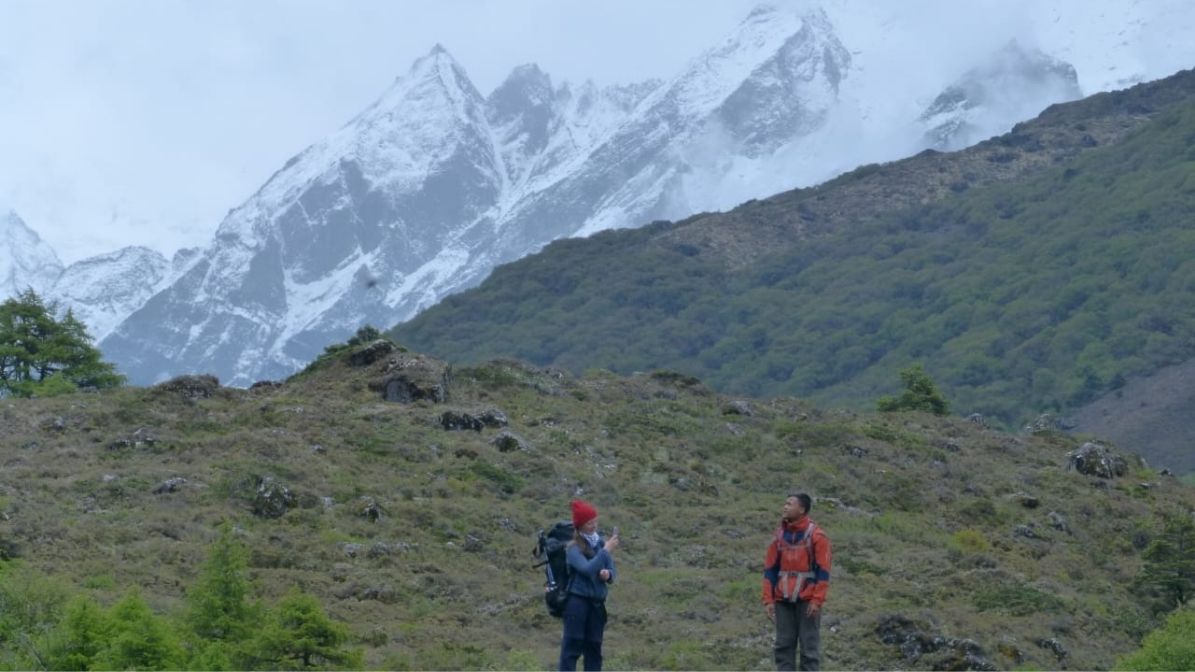
Trekking in Nepal: An Unforgettable Himalayan Adventure
Introduction Trekking is an activity that is conducted in nature, far from the urban area, where one can explore...